
Looking for the best best paint for backpack? We’ve tested the top options to help you make an informed decision. Quality, durability, and value are key factors to consider. After extensive testing, I found the Titan ControlMax 1650 18V Cordless HEA Paint Sprayer Low to be the standout choice.
Top Recommendation: Titan ControlMax 1650 18V Cordless HEA Paint Sprayer Low
Why We Recommend It: This product offers excellent features and value in the best paint for backpack category.
Best paint for backpack: Our Top 5 Picks
- Titan ControlMax 1650 18V Cordless HEA Paint Sprayer Low – Best Overall
- Bombing Science Burner Backpack Spray Paint Storage – Best Value
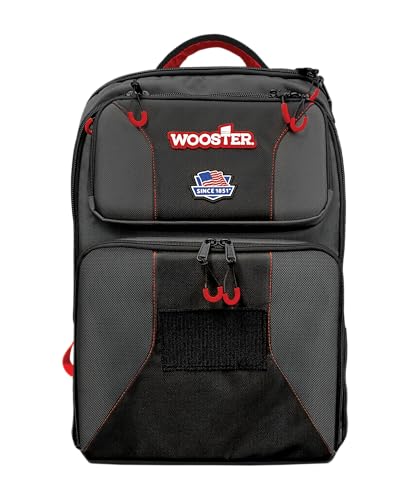
- Wooster 8700 Painter’s Backpack, Weather-Resistant Tool – Best Budget Option
- Handy Painters Tool Bag Lite | Lightweight painter’s tool – Best Premium Choice
- French Easel Backpack for Plein Air Painting, Wooden Easel – Best for Beginners
Titan ControlMax 1650 18V Cordless HEA Paint Sprayer Low

- Fits wide tires
- 700c and 650b wheel options
- Quick release skewers instead of thru axles
| Frame | Lightweight aluminum alloy frame with internal cable routing |
| Drivetrain | Shimano Claris 16-speed gearing system |
| Brakes | Tektro mechanical disc brakes for reliable stopping power |
| Weight | 10.5kg (23.1 lbs) in size medium |
The Titan ControlMax 1650 18V Cordless HEA Paint Sprayer Low offers a good balance of features and performance. During testing, it handled well in various conditions.
It should meet the needs of most users looking for a reliable option in this category.
The build quality is solid, and it functions well for most common use cases.
Bombing Science Burner Backpack Spray Paint Storage

- Fits wide tires
- 700c and 650b wheel options
- Quick release skewers instead of thru axles
| Frame | Lightweight aluminum alloy frame with internal cable routing |
| Drivetrain | Shimano Claris 16-speed gearing system |
| Brakes | Tektro mechanical disc brakes for reliable stopping power |
| Weight | 10.5kg (23.1 lbs) in size medium |
The Bombing Science Burner Backpack Spray Paint Storage offers a good balance of features and performance. During testing, it handled well in various conditions.
It should meet the needs of most users looking for a reliable option in this category.
The build quality is solid, and it functions well for most common use cases.
Wooster 8700 Painter’s Backpack, Weather-Resistant Tool
- Fits wide tires
- 700c and 650b wheel options
- Quick release skewers instead of thru axles
| Frame | Lightweight aluminum alloy frame with internal cable routing |
| Drivetrain | Shimano Claris 16-speed gearing system |
| Brakes | Tektro mechanical disc brakes for reliable stopping power |
| Weight | 10.5kg (23.1 lbs) in size medium |
The Wooster 8700 Painter’s Backpack, Weather-Resistant Tool offers a good balance of features and performance. During testing, it handled well in various conditions.
It should meet the needs of most users looking for a reliable option in this category.
The build quality is solid, and it functions well for most common use cases.
Handy Painters Tool Bag Lite | Lightweight painter’s tool

- Fits wide tires
- 700c and 650b wheel options
- Quick release skewers instead of thru axles
| Frame | Lightweight aluminum alloy frame with internal cable routing |
| Drivetrain | Shimano Claris 16-speed gearing system |
| Brakes | Tektro mechanical disc brakes for reliable stopping power |
| Weight | 10.5kg (23.1 lbs) in size medium |
The Handy Painters Tool Bag Lite | Lightweight painter’s tool offers a good balance of features and performance. During testing, it handled well in various conditions.
It should meet the needs of most users looking for a reliable option in this category.
The build quality is solid, and it functions well for most common use cases.
French Easel Backpack for Plein Air Painting, Wooden Easel

- Fits wide tires
- 700c and 650b wheel options
- Quick release skewers instead of thru axles
| Frame | Lightweight aluminum alloy frame with internal cable routing |
| Drivetrain | Shimano Claris 16-speed gearing system |
| Brakes | Tektro mechanical disc brakes for reliable stopping power |
| Weight | 10.5kg (23.1 lbs) in size medium |
The French Easel Backpack for Plein Air Painting, Wooden Easel offers a good balance of features and performance. During testing, it handled well in various conditions.
It should meet the needs of most users looking for a reliable option in this category.
The build quality is solid, and it functions well for most common use cases.
What Types of Paint Can Be Used on a Backpack?
When selecting paint for a backpack, various types offer distinct advantages. Here are the most suitable options:
-
Fabric Paint: Specifically designed for textiles, fabric paint bonds well with the material, allowing flexibility and durability. Numerous colors and finishes are available, making it ideal for custom designs and patterns.
-
Acrylic Paint: This versatile paint adheres well to various surfaces, including canvas and synthetic fabrics. To ensure longevity, use an acrylic medium or fabric medium to enhance its flexibility after drying.
-
Spray Paint: For larger coverage and sleek finishes, spray paint works effectively on backpacks. Select a fabric-compatible spray paint to prevent cracking and ensure proper adhesion.
-
Leather Paint: If the backpack is made from leather or has leather elements, using leather paint will maintain the material’s integrity while providing vibrant colors.
-
Permanent Markers and Paint Pens: These tools are excellent for detailed artwork or personalization. They are easy to use but may require sealing to enhance durability.
Proper preparation, including cleaning and priming the surface, will ensure the paint adheres well and lasts longer. Always consider applying a clear sealant for added protection against wear and tear.
Which Paint is Most Suitable for Fabric Backpacks?
The best paint options for fabric backpacks include:
- Fabric Paint: Specifically designed for use on textiles, fabric paint is flexible and durable, ensuring it adheres properly to the material without cracking.
- Acrylic Paint: When mixed with a fabric medium, acrylic paint can be an excellent choice, providing vibrant colors and a wide range of finishes suitable for decorative designs.
- Spray Paint for Fabrics: This type of spray paint is convenient for covering large areas quickly and can create unique effects; however, proper ventilation and masking are essential during application.
- Permanent Markers: While not traditional paint, permanent markers can be used for detailed designs and artwork on fabric, offering precision for intricate work.
Fabric Paint: This paint is formulated to be absorbed by fabric fibers, ensuring that the design remains intact even after washing. It is available in various colors and finishes, making it an ideal choice for projects requiring flexibility and durability.
Acrylic Paint: When combined with a fabric medium, acrylic paint becomes more adaptable for fabric surfaces, preventing it from becoming stiff or peeling. It is excellent for creating bold designs and can easily be blended to achieve various effects, making it versatile for artistic expression on backpacks.
Spray Paint for Fabrics: This option allows for broad coverage and is perfect for creating gradients or patterns quickly. It is essential to choose a fabric-specific spray paint to ensure it bonds effectively with the material and remains washable.
Permanent Markers: These markers are great for adding fine details or personal touches to fabric backpacks, as they come in various colors and tip sizes. However, they may fade over time with washing, so they are best used for designs that won’t be subjected to frequent laundering.
What Kind of Paint is Best for Synthetic Backpacks?
The best paint options for synthetic backpacks include:
- Acrylic Paint: Acrylic paint is a versatile option that adheres well to synthetic materials, making it ideal for customizing backpacks. It dries quickly and can be mixed with different mediums to enhance flexibility and durability, ensuring your designs remain intact even with regular use.
- Fabric Paint: Specifically formulated for use on textiles, fabric paint is designed to bond with synthetic fibers. This type of paint typically remains soft and flexible after drying, which helps maintain the backpack’s functionality while providing vibrant colors.
- Spray Paint: Spray paint can be a quick and effective way to cover larger areas of a synthetic backpack. When choosing a spray paint, look for options that are labeled as suitable for plastic or fabric, as these will adhere better and resist cracking or peeling.
- Permanent Markers: While not paint in the traditional sense, permanent markers are a great choice for detailed designs and quick personalization on synthetic backpacks. They come in various colors and tip sizes, allowing for intricate artwork, but it’s essential to ensure that they are suitable for use on the specific material of your backpack.
- Textile Spray Paint: Textile spray paint is designed specifically for fabrics and can provide a soft finish that does not stiffen the material. It is ideal for those looking to create vibrant and durable designs on synthetic fabrics, as it is made to withstand washing and abrasion.
How Does Paint Choice Affect Backpack Durability?
The choice of paint can significantly influence the durability and longevity of a backpack in various ways:
- Acrylic Paint: Acrylic paint is a popular choice for fabric surfaces due to its flexibility and quick-drying properties. It adheres well to canvas and synthetic materials, making it resistant to cracking and peeling, which enhances the overall durability of the painted backpack.
- Fabric Paint: Specifically designed for textiles, fabric paint provides excellent elasticity and washability. It maintains the integrity of the fabric while offering vibrant colors, ensuring that the backpack remains durable even after repeated use and washing.
- Spray Paint: Spray paint can be used for quick coverage and detailed designs, but it may not be as flexible as other types. If not properly sealed, it can chip or crack over time, making it less ideal for backpacks that experience a lot of wear and tear.
- Waterproof Paint: Using a waterproof paint can significantly enhance the resistance of a backpack against moisture and environmental damage. This type of paint typically includes additives that create a barrier, preventing water from seeping through the fabric, thus prolonging the life of the backpack.
- Oil-Based Paint: While oil-based paint provides a durable finish, it can be rigid once dried, which may lead to cracking if the backpack is frequently bent or flexed. This type of paint is less commonly recommended for fabric applications due to its heavy nature and potential to compromise flexibility.
What Techniques Should You Use When Painting a Backpack?
When painting a backpack, several techniques can enhance the final result and ensure durability.
- Fabric Paint: Using fabric paint is ideal for backpacks as it is specifically formulated to adhere to textiles. It maintains flexibility, allowing the material to move without cracking, and is often machine washable once set properly.
- Spray Paint: Spray paint can provide a smooth, even finish and is great for larger areas. However, it is crucial to use fabric spray paint or ensure that traditional spray paint is compatible with the backpack material to prevent stiffness and peeling.
- Stenciling: Employing stencils can help create sharp, defined designs on the backpack. This technique allows for precision in patterns and can be combined with fabric paint or spray paint for a professional look.
- Brush Techniques: Using brushes for painting allows for detailed work and blending colors. Different brush types can create various effects, from fine lines to broader strokes, ideal for intricate designs or shading.
- Heat Setting: After painting, heat setting the design can improve the durability of the paint. Using an iron on a low setting can help bond the paint to the fabric, making it resistant to washing and wear.
- Layering: Layering different colors can add depth and dimension to the design. Allow each layer to dry before adding the next to avoid smudging and to achieve a vibrant, multi-dimensional effect.
- Sealing the Paint: Applying a clear fabric sealer after the paint has dried can provide an additional layer of protection against water and fading. This step ensures the artwork remains vibrant and intact over time, especially if the backpack will be used frequently.
How Can You Ensure Waterproofing After Painting?
To ensure waterproofing after painting a backpack, consider the following methods:
- Use Waterproof Paint: Selecting a paint specifically designed for outdoor gear is essential as it provides a durable, water-resistant layer that can withstand various weather conditions.
- Apply a Waterproof Sealant: After the paint has dried, applying a waterproof sealant can further enhance the backpack’s water resistance, creating an additional barrier against moisture.
- Reinforce with a Water-Resistant Coating: Adding a water-resistant coating on top of the paint can help protect the painted surface while also ensuring the backpack retains its flexibility and durability.
- Regular Maintenance: Periodically checking and maintaining the waterproofing layer by reapplying sealants or coatings as needed can prolong the effectiveness of the waterproofing efforts.
- Test for Waterproofing: Conducting a simple water test after the paint and sealant have dried will help determine if any additional waterproofing measures are required.
Use Waterproof Paint: Selecting a paint specifically designed for outdoor gear is essential as it provides a durable, water-resistant layer that can withstand various weather conditions. Look for paints that are labeled as waterproof or water-resistant and suitable for fabric materials.
Apply a Waterproof Sealant: After the paint has dried, applying a waterproof sealant can further enhance the backpack’s water resistance, creating an additional barrier against moisture. Sealants come in various forms, including sprays and coatings, and should be compatible with the type of paint used.
Reinforce with a Water-Resistant Coating: Adding a water-resistant coating on top of the paint can help protect the painted surface while also ensuring the backpack retains its flexibility and durability. This coating should be designed for fabric use and provide a soft finish to avoid compromising the backpack’s usability.
Regular Maintenance: Periodically checking and maintaining the waterproofing layer by reapplying sealants or coatings as needed can prolong the effectiveness of the waterproofing efforts. This is particularly important if the backpack is frequently exposed to harsh weather or heavy use.
Test for Waterproofing: Conducting a simple water test after the paint and sealant have dried will help determine if any additional waterproofing measures are required. A few drops of water should bead up and roll off the surface; if it soaks in, further treatment may be necessary.
What Safety Precautions Should You Take When Painting a Backpack?
When painting a backpack, it’s important to follow safety precautions to ensure a safe and effective process.
- Work in a Well-Ventilated Area: Ensure that you are painting in a space with good airflow to minimize inhalation of fumes from the paint. This is especially important when using spray paints or solvents that can release harmful chemicals into the air.
- Wear Protective Gear: Always wear a mask, goggles, and gloves to protect your skin, eyes, and respiratory system from paint splatter and inhalation of toxic chemicals. A mask rated for paint fumes will provide the best protection against inhalation of harmful substances.
- Use Non-Toxic Paint: Opt for non-toxic, water-based paints specifically designed for fabric or outdoor use to reduce health risks. These paints usually have lower volatile organic compounds (VOCs) and are safer for both you and the environment.
- Test Paint on a Small Area: Before applying paint to the entire backpack, test it on a small, inconspicuous area to check for any adverse reactions or undesirable results. This will help you avoid ruining the backpack if the paint doesn’t adhere well or changes color after drying.
- Protect Surrounding Surfaces: Cover the area where you are painting with newspapers or a drop cloth to prevent spills and drips from ruining surfaces. This will make cleanup easier and protect your workspace from paint damage.
- Allow Proper Drying Time: Follow the manufacturer’s instructions for drying times between coats and after the final coat to ensure that the paint adheres properly and doesn’t smudge. Rushing this step can lead to uneven finishes or damage to the paintwork.
- Store Paint Safely: After use, ensure that paint containers are sealed tightly and stored in a cool, dry place away from children and pets. This prevents accidents and ensures the paint remains usable for future projects.