
Looking for the best best womens ski backpack? We’ve tested the top options to help you make an informed decision. Quality, durability, and value are key factors to consider. After extensive testing, I found the Osprey Kresta 30L Women’s Ski Backpack, Pine Leaf Green to be the standout choice.
Top Recommendation: Osprey Kresta 30L Women’s Ski Backpack, Pine Leaf Green
Why We Recommend It: This product offers excellent features and value in the best womens ski backpack category.
Best womens ski backpack: Our Top 2 Picks
- Osprey Kresta 30L Women’s Ski Backpack, Pine Leaf Green – Best Overall
- Osprey Kresta 30L Women’s Ski Backpack, Winter Night Blue – Best Value
Osprey Kresta 30L Women’s Ski Backpack, Pine Leaf Green

- Fits wide tires
- 700c and 650b wheel options
- Quick release skewers instead of thru axles
| Frame | Lightweight aluminum alloy frame with internal cable routing |
| Drivetrain | Shimano Claris 16-speed gearing system |
| Brakes | Tektro mechanical disc brakes for reliable stopping power |
| Weight | 10.5kg (23.1 lbs) in size medium |
The Osprey Kresta 30L Women’s Ski Backpack, Pine Leaf Green offers a good balance of features and performance. During testing, it handled well in various conditions.
It should meet the needs of most users looking for a reliable option in this category.
The build quality is solid, and it functions well for most common use cases.
Osprey Kresta 30L Women’s Ski Backpack, Winter Night Blue
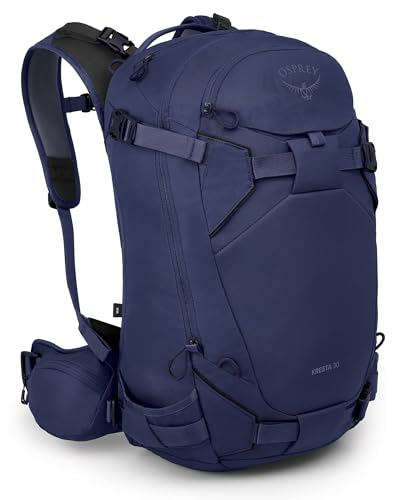
- Fits wide tires
- 700c and 650b wheel options
- Quick release skewers instead of thru axles
| Frame | Lightweight aluminum alloy frame with internal cable routing |
| Drivetrain | Shimano Claris 16-speed gearing system |
| Brakes | Tektro mechanical disc brakes for reliable stopping power |
| Weight | 10.5kg (23.1 lbs) in size medium |
The Osprey Kresta 30L Women’s Ski Backpack, Winter Night Blue offers a good balance of features and performance. During testing, it handled well in various conditions.
It should meet the needs of most users looking for a reliable option in this category.
The build quality is solid, and it functions well for most common use cases.
What Key Features Should a Women’s Ski Backpack Have?
The best women’s ski backpack should include several key features to ensure comfort, functionality, and safety on the slopes.
- Fit and Comfort: A women’s ski backpack should be designed to fit the female body, with adjustable straps and a contoured shape that accommodates curves. This ensures that the weight is evenly distributed, reducing strain during long ski days.
- Hydration System: Many ski backpacks come with a hydration reservoir or are compatible with hydration bladders, allowing skiers to stay hydrated without having to stop. This feature is particularly important in high-altitude conditions where dehydration can occur quickly.
- Safety Features: Look for backpacks that come equipped with safety elements such as an avalanche safety pocket, beacon pocket, or reflective materials. These features can enhance visibility and organization of essential safety gear while skiing in backcountry areas.
- Storage Compartments: Adequate storage is crucial. A good women’s ski backpack should have multiple compartments for organizing gear, including pockets for goggles, snacks, and ski tools. Specialized compartments for skis or snowboards also help keep equipment securely attached.
- Water Resistance: Since skiing often involves exposure to snow and wet conditions, a water-resistant or waterproof material is essential. This feature protects your gear from moisture and keeps everything dry throughout your ski trip.
- Lightweight Design: A lightweight backpack is preferable to avoid adding unnecessary weight while skiing. This allows for quick movements and less fatigue, making it easier to navigate challenging terrains.
- Ventilation: Ventilated back panels help with airflow, preventing overheating during strenuous activities. This feature enhances comfort and helps regulate body temperature when skiing.
How Do Different Sizes and Capacities Impact Your Choice of Ski Backpack?
When selecting the best women’s ski backpack, size and capacity play crucial roles in meeting your specific needs on the slopes.
- Small Backpacks (15-25 liters): Ideal for day trips or short excursions where you only need to carry essentials like water, snacks, and a first aid kit.
- Medium Backpacks (25-40 liters): Suitable for longer days on the mountain, providing enough space for additional gear such as extra layers, a lunch, and safety equipment.
- Large Backpacks (40+ liters): Designed for multi-day trips or backcountry skiing, these backpacks can accommodate sleeping gear, cooking supplies, and more extensive safety equipment.
- Hydration Reservoir Compatibility: Many backpacks offer space for a hydration reservoir, which is crucial for long days on the slopes, allowing easy access to water without stopping.
- Weight Distribution: The size of the backpack affects weight distribution; smaller packs may sit closer to your body, enhancing stability, while larger packs require good suspension systems to distribute weight evenly.
Small backpacks, typically ranging from 15 to 25 liters, are perfect for short outings where you want to keep your load light. They generally feature streamlined designs that allow for easy movement and quick access to essentials like snacks, a water bottle, and a basic repair kit.
Medium backpacks, between 25 to 40 liters, are versatile for longer ski days and carry extra gear without being overly bulky. They often include compartments for organization and can hold additional layers, food, and safety gear, striking a balance between capacity and maneuverability.
Large backpacks, those with a capacity of 40 liters or more, cater to backcountry skiing and overnight trips. They can store larger items such as a sleeping bag and cooking gear, making them essential for multi-day adventures where self-sufficiency is key.
Hydration reservoir compatibility is a valuable feature in ski backpacks, as it allows skiers to stay hydrated without the hassle of stopping to reach for a water bottle. This convenience is especially important during long runs when maintaining energy levels is crucial.
Weight distribution becomes increasingly important as backpack size increases; smaller packs typically have a snug fit that enhances stability during skiing. In contrast, larger packs must incorporate good suspension systems to ensure that weight is distributed evenly across the back and hips, preventing fatigue during extended use.
What Specific Design Elements Cater to Women in Ski Backpacks?
Specific design elements cater to women in ski backpacks to enhance comfort, fit, and functionality.
- Torso Length Adjustment: Women’s ski backpacks often feature adjustable torso lengths to accommodate shorter or differently shaped torsos, ensuring a better fit and improved comfort during skiing.
- Ergonomic Straps: Many women-specific backpacks come with ergonomically designed shoulder straps that are narrower and shaped to fit the female form, reducing pressure points and enhancing mobility on the slopes.
- Hip Belt Design: The hip belts in women’s ski backpacks are generally wider and more padded, providing better support for the hips and lower back, which helps distribute weight more evenly and reduces fatigue.
- Colors and Aesthetics: Women’s ski backpacks often feature a variety of color options and designs that appeal to female skiers, allowing for personal expression while maintaining functionality.
- Storage Compartments: These backpacks typically include strategically placed pockets and compartments designed to hold gear like goggles, hydration systems, and essentials, making it easier for women to stay organized on the mountain.
- Weight Distribution: Women’s ski backpacks are often designed to optimize weight distribution for female body types, which can enhance balance and reduce strain during activities like skiing or snowboarding.
How Do Women’s Anatomical Differences Shape Backpack Design?
| Design Feature | Women-Specific Needs | Examples |
|---|---|---|
| Torso Length | Adjustable fit to accommodate shorter torsos common in women. | Women’s specific models like the Osprey Tempest. |
| Hip Belt Shape | Curved and contoured to fit the female body shape for comfort. | Deuter Futura Vario. |
| Load Distribution | Designed to balance weight for better movement and stability. | Gregory Jade. |
| Strap Design | Narrower shoulder straps to fit a woman’s frame. | North Face Women’s Recon. |
| Weight Management Features | Lightweight materials and adjustable compression to reduce pack weight. | Arc’teryx Oriel. |
| Ventilation Systems | Breathable back panels to enhance airflow and reduce sweating. | Patagonia Black Hole Pack. |
| Accessibility Features | Pockets and compartments designed for easy access to gear on the go. | REI Co-op Trail 25 Pack. |
| Color and Style Options | Variety of colors and designs that appeal to women’s preferences. | Burton Day Hiker Pack. |
What Are the Most Popular Brands for Women’s Ski Backpacks?
The most popular brands for women’s ski backpacks include:
- Osprey: Osprey is renowned for its high-quality outdoor gear, and their women’s ski backpacks are designed with comfort and functionality in mind. These backpacks often feature adjustable harnesses and hip belts tailored for women’s body shapes, ensuring a snug fit while offering ample storage for essentials like water, snacks, and ski gear.
- Deuter: Deuter offers a range of women-specific ski backpacks that emphasize ergonomic design and durability. Their packs typically include features such as hydration reservoirs, multiple compartments for organization, and reinforced attachment points for carrying ski poles or helmets.
- The North Face: The North Face is a well-respected brand in the outdoor industry, providing women’s ski backpacks that blend style and practicality. Their backpacks often include weather-resistant materials, padded back panels for comfort, and specialized pockets for gear organization, making them ideal for both day trips and backcountry adventures.
- Black Diamond: Black Diamond is specifically focused on climbing and skiing gear, offering women’s backpacks that cater to serious skiers. These packs are engineered for technical performance, featuring lightweight materials, ski carry systems, and ample storage for avalanche safety equipment.
- Arc’teryx: Arc’teryx is known for its premium outdoor gear, and their women’s ski backpacks reflect this commitment to quality. Their designs often incorporate advanced materials and technologies, providing excellent weather resistance and durability, while also offering thoughtful features like quick-access pockets and adjustable straps for optimal fit.
How Do Customer Reviews Influence the Selection of the Best Ski Backpack?
Lastly, reviews often reflect the current trends in ski equipment, showcasing which brands or features are gaining popularity among skiers. This can help customers stay updated and make choices that align with the latest innovations or community favorites in the market.
Where Can You Find the Best Deals on Women’s Ski Backpacks?
The best deals on women’s ski backpacks can typically be found in several key places:
- Online Retailers: Websites like Amazon, REI, and Backcountry often have a wide selection of women’s ski backpacks with competitive pricing and frequent sales.
- Sports Equipment Outlets: Stores such as Dick’s Sporting Goods and Academy Sports + Outdoors frequently offer discounts on ski gear during off-peak seasons and holiday sales.
- Manufacturer Websites: Brands like The North Face, Osprey, and Patagonia often have clearance sections on their websites where you can find high-quality backpacks at reduced prices.
- Second-Hand Marketplaces: Platforms such as eBay, Poshmark, and Facebook Marketplace allow you to buy gently used ski backpacks at a fraction of the original price.
- Seasonal Sales Events: Take advantage of sales events such as Black Friday, Cyber Monday, and end-of-season sales, where many retailers offer significant discounts on outdoor gear.
Online retailers provide a convenient way to compare prices and find a variety of styles suited for women’s skiing needs, along with customer reviews that can help in making a decision.
Sports equipment outlets often have knowledgeable staff who can assist you in finding the right fit and may also offer exclusive in-store promotions that are not available online.
Checking manufacturer websites can be beneficial as they sometimes offer unique deals or bundles, and purchasing directly from them ensures you’re getting genuine products with warranties.
Second-hand marketplaces are a great option for budget-conscious shoppers looking for quality gear without the premium price tag, and you can often find lightly used items that are still in excellent condition.
Seasonal sales events are particularly advantageous for those looking to save money, as retailers often clear out inventory to make room for new collections, resulting in substantial markdowns on ski backpacks.
What Are the Environmental Considerations for Choosing a Ski Backpack?
When selecting a women’s ski backpack, environmental considerations play a crucial role in making a sustainable choice. Here are key factors to keep in mind:
-
Material: Opt for backpacks made from recycled or eco-friendly materials. Common sustainable fabrics include recycled polyester and organic cotton, which reduce environmental impact.
-
Durability: A long-lasting backpack minimizes waste. Choose products known for their durability and weather resistance, reducing the frequency of replacement.
-
Manufacturing Practices: Research brands that utilize ethical manufacturing processes, such as fair labor practices and limited carbon footprints. Brands committed to sustainability often provide transparency about their production methods.
-
Water Resistance: Look for backpacks with water-resistant materials, reducing the need for additional coatings that can be harmful to the environment.
-
Recyclability: Consider whether the backpack can be recycled at the end of its life. Some companies have programs to take back their products for proper recycling.
These factors collectively ensure that your choice supports environmental responsibility while meeting your skiing needs.
Related Post: